


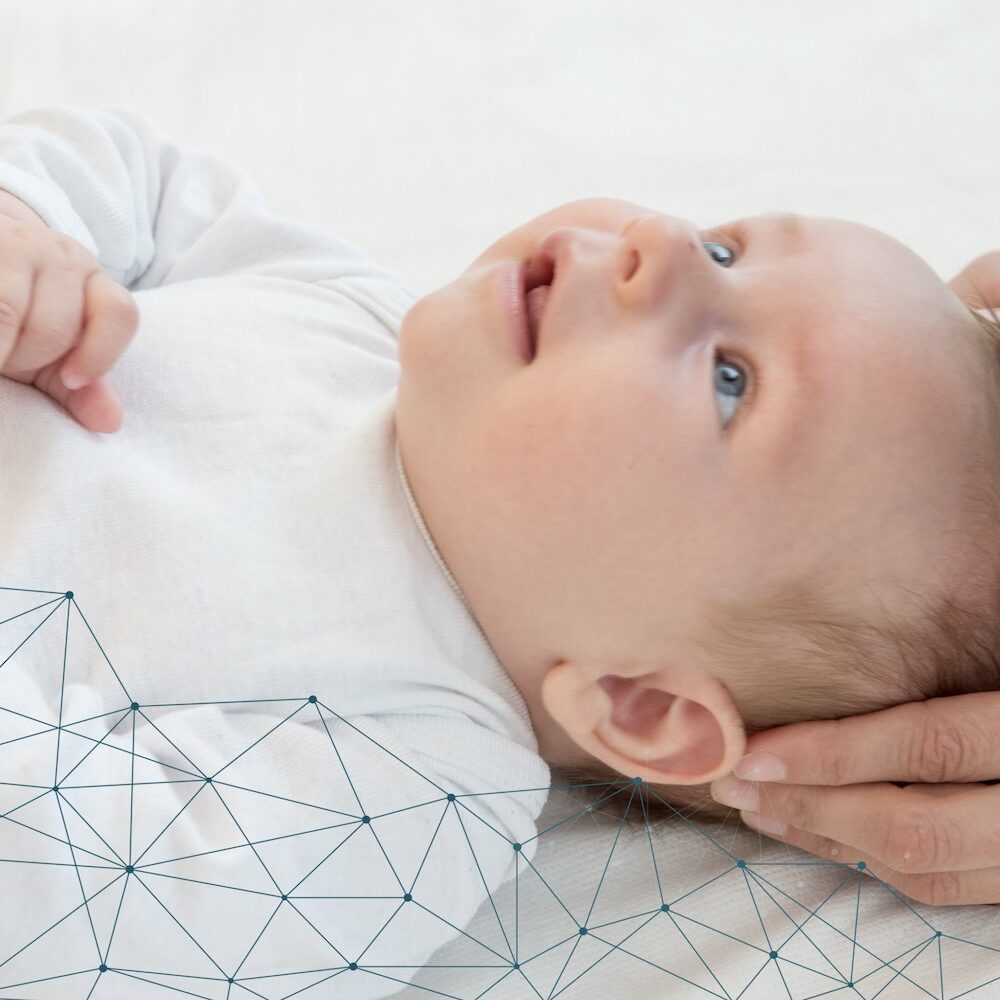
Osteopathy

Osteopathy

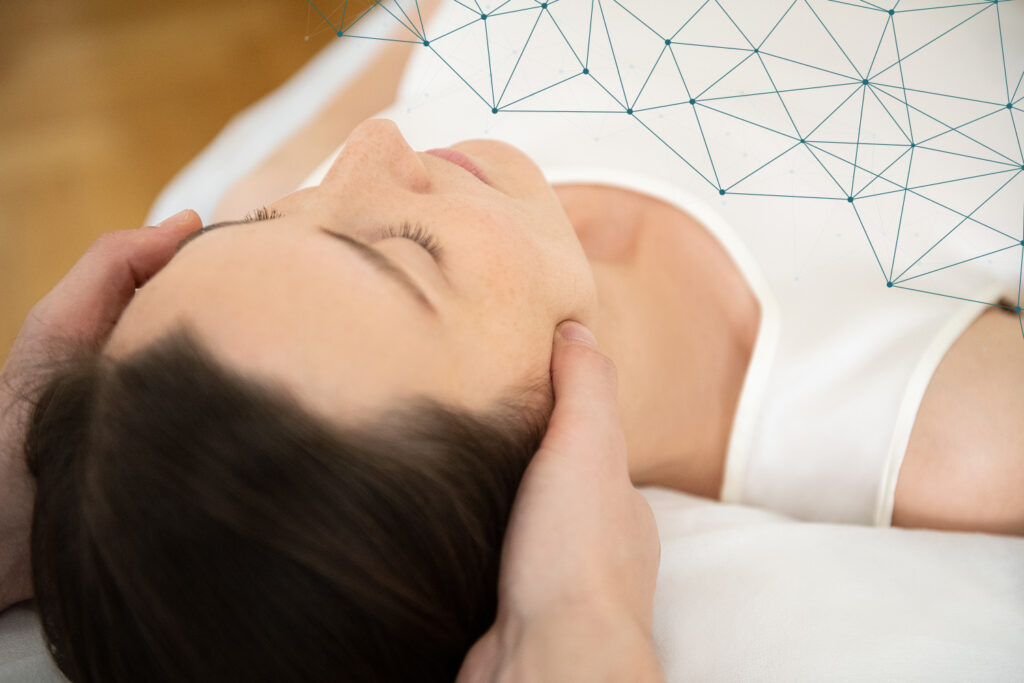
Osteopathy is a systemic manual medicine in which the human is placed in a holistic perspective.

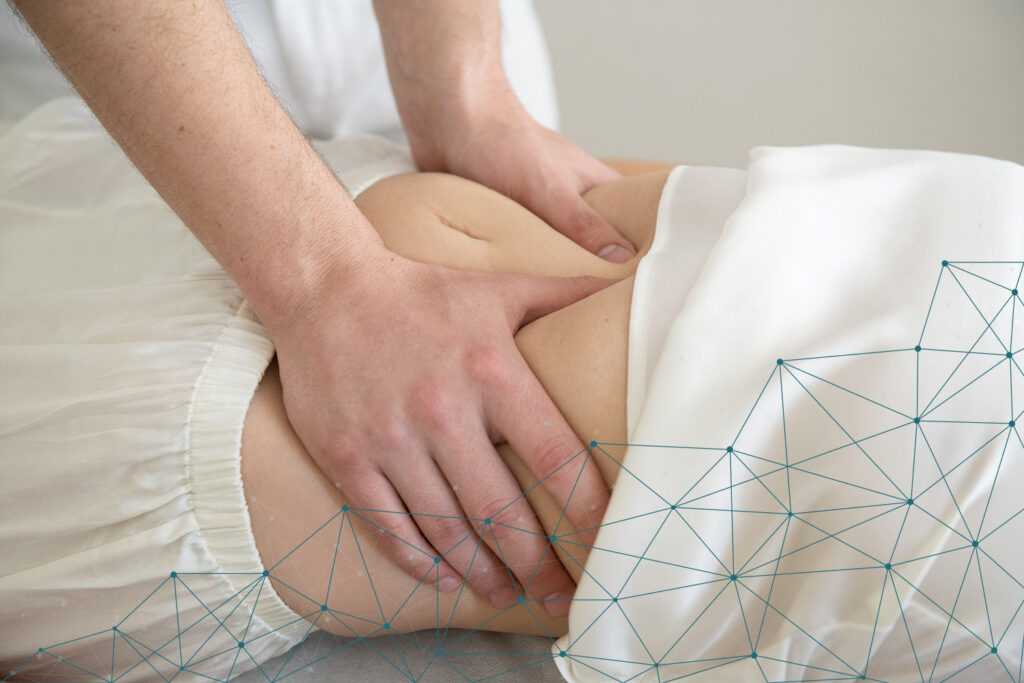
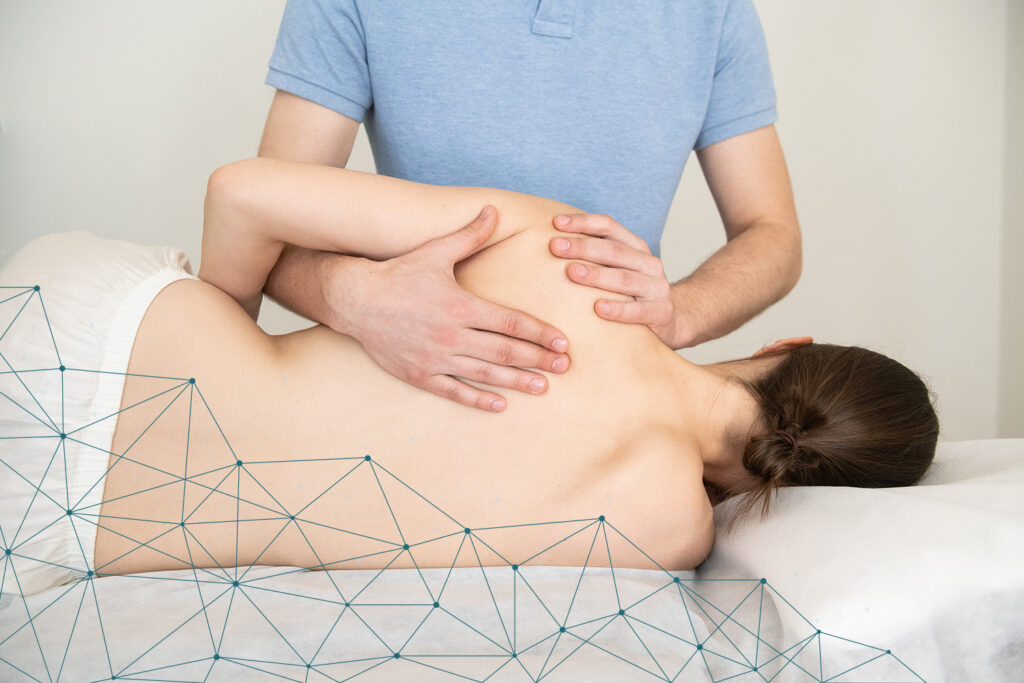
Basically, an osteopathic treatment is about restoring the mobility, elasticity and functions of the various body structures. Biomechanical and myofascial conflicts are treated through manual techniques, which are activating the body's individual self-healing capacity and normalizing the functional balance of the individual.

Osteopathy is based on the principle that all body systems (bone, blood, nervous, lymphatic and hormone systems etc.) are connected and depend on a mutual cooperation. On the parietal level, the supporting structures of the body (bones, muscles and fascia) are been treated. In the visceral system, the therapist is focusing on the internal organs and their mobility. In the craniosacral system, the mobility of the cranial bones and the sacrum are being stimulated.

Osteopathy differs from other manual therapies by its broad spectrum of techniques: from very gentle, such as craniosacral, to manipulative techniques. The entire treatment is adapted to the age and constitution of the patient.

An osteopathic treatment brings the body back into balance, enabling faster recovery.
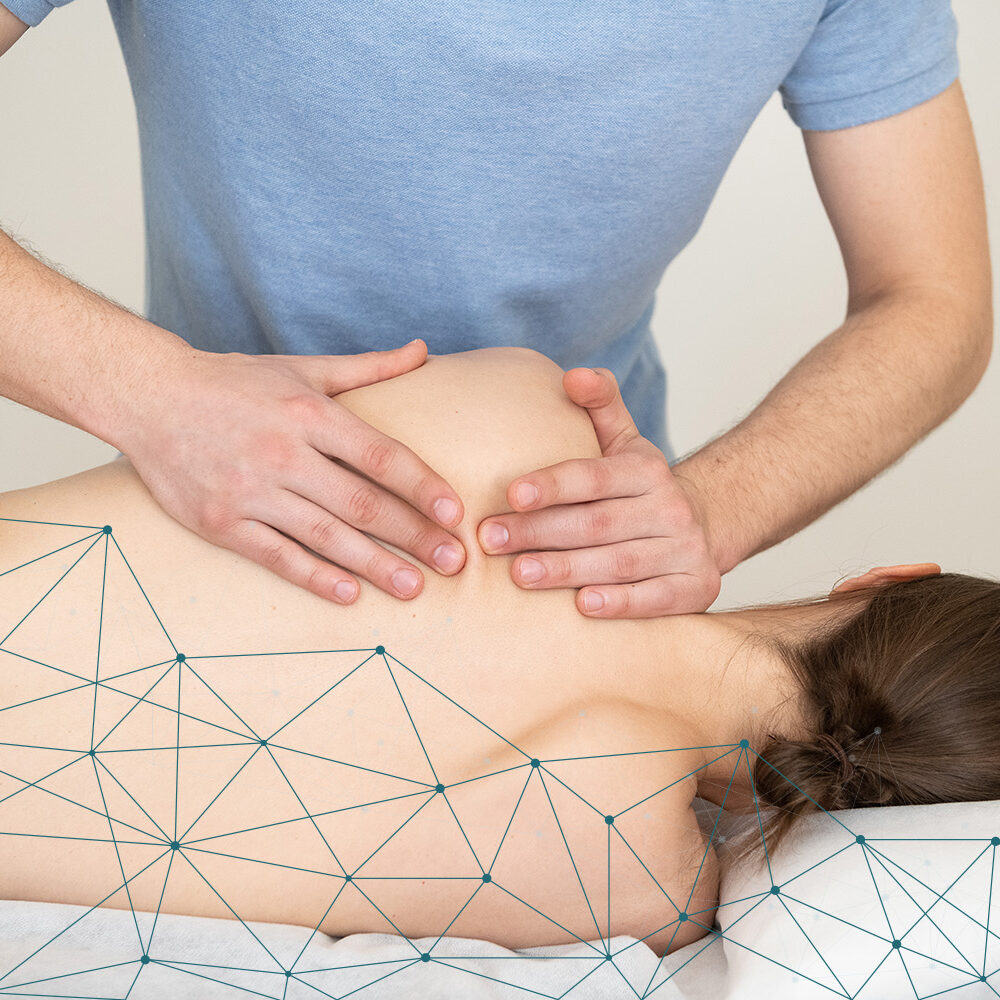
 

Osteo X Ruecken oben

General Musculoskeletal Issues

  • Headaches - TMJ Problems (Jaw tension)
    Tension headaches - Whiplash - Dizziness - Migraine - Acute tinnitus
  • Tensions, diffuse back and neck pain
  • Foot, knee, hip and shoulder pain
  • Acute complaints «lumbago» or «dislocations»
  • Support for chronic complaints
    Chronical tendonitis - Tennis/golf elbow - Carpal tunnel syndrome - Sinusitis - Fibromyalgia
  • Support for structural complaints
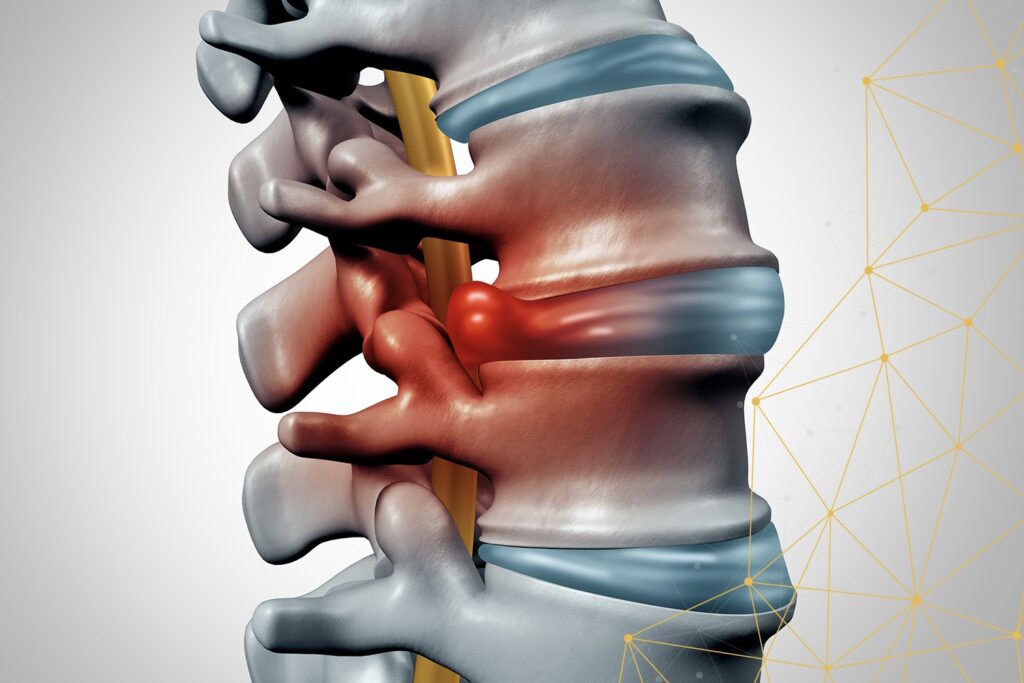
    Herniated discs - Arthrosis - Arthritis - Rheumatism - Bechterew's disease - Scoliosis
  • Rehabilitation after accident and sports injuries
  • Bruises, sprains, dislocations

Treatment of surgical scars

General Visceral Issues (Organ-Related Complaints)

  • Respiratory System
    Support with asthma, shortness of breath
  • Digestive system
    Heartburn - flatulence - diarrhoea - constipation Irritable bowel - support for structural complaints e.g. Crohn's disease
  • Urogenital system
    Menstrual cramps - Stress incontinence - assistance with fertility issues

Stress reduction – reduced vital capacity and physical performance

  • All
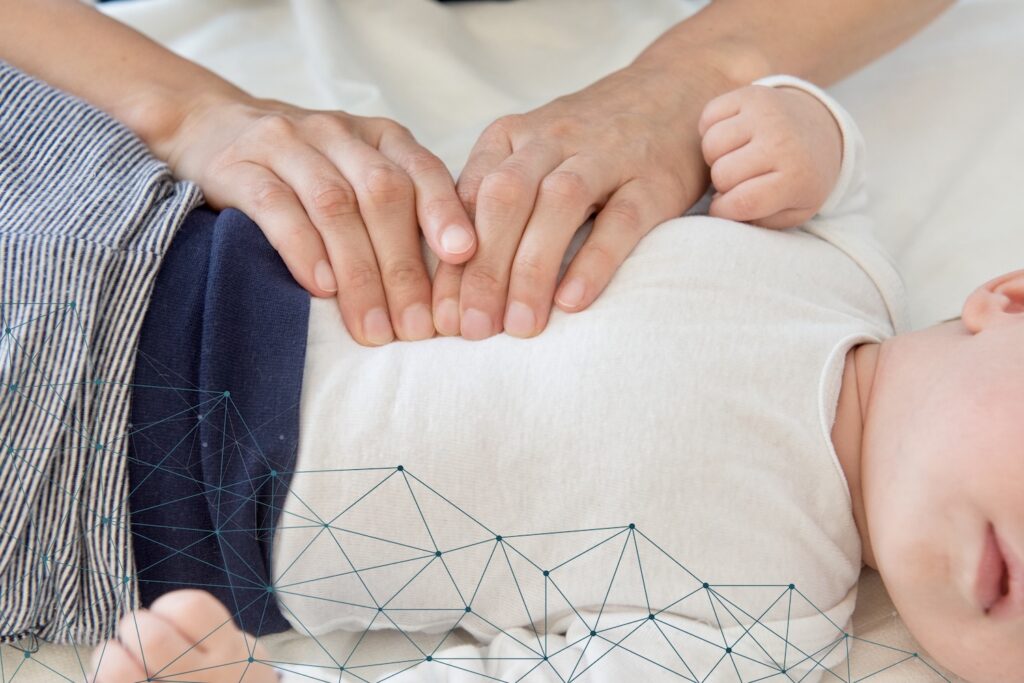
  • Babies & Newborns
  • Children & Adolescents
  • Mouth, Tongue & Jaw
  • Prevention & Vitality
  • Sensitive Life Phases

Dummy Weaning. Gentle Support for Little Companions

For many babies and toddlers, the dummy is far more than a soother. It is a little friend, a tool for self-regulation. And that is precisely why weaning from it is sometimes not so straightforward..

When the bucket overflows, regulation difficulties

You might know this feeling: a day that was perfectly normal. Not too much, not too loud, nothing particularly exciting. And yet it ends with a child who simply can't settle. Who cries, screams, writhes and you no longer know what else to do. That's not bad parenting. That's a full bucket.

Understanding stress, when the body stays stuck in alarm mode

Stress is part of life. It helps us meet challenges, make decisions, and perform well when it matters most. But not all stress is the same. While some situations energize us, others can place a long-term burden on our body and nervous system.

Tongtie

During embryonic development, this tissue typically regresses. When it remains present, it may restrict tongue mobility and interfere with several important functions. As the tongue plays a crucial role in feeding, swallowing, breathing, speech, and craniofacial development, the effects of a restricted tongue can extend well beyond the mouth and influence overall function and development.

The Diaphragm, the Centre of Breathing, Posture and Vitality

«Breathing is the first and last thing we do in life. It is our constant companion on our journey.» The diaphragm is a broad, dome-shaped muscle that forms a decisive boundary between the thoracic and abdominal cavities. It not only plays a central role in the process of breathing, but is also of fundamental importance for body mechanics, digestion and even emotional wellbeing.

What the Reflex Zones of Your Teeth Reveal About Your Body

From day 44 after fertilisation, the first tooth buds emerge. Not at some random point, but in parallel with the development of your organ systems. Heart, liver, kidneys, lungs and simultaneously, in the same biological rhythm, the foundation for every single tooth in your mouth.

Bedwetting

Children with sleep disorders often sleep restlessly and have a raised arousal threshold. This means: they do not wake up in time when the bladder is full, despite restless sleep, the conscious wake-up signal is simply absent.

The Moment My Training Came Full Circle

There are moments that change everything. For me, it was a specialist article. On holiday, officially switching off. I was sitting in the sun, my book lying unread beside me and then this article about Dentosophie fell into my hands. Within minutes, it was clear: this is the missing piece. Not only for my patients. For myself too.

One Small Misalignment. A Whole Body Out of Balance.

You have headaches, but the neurologist finds nothing. Your neck is chronically tense, even though you go for regular massages. Your teeth are becoming more sensitive, even though you take good care of them. And one day, someone says: «Have you ever looked at your jaw?»

Flat Head Syndrome

The shape of the skull is not merely a cosmetic concern. The skull is the housing for the brain, the meninges and the craniosacral system. That delicate network of fluid and membranes that extends from the skull all the way to the tailbone. When bones are under constant pressure or form asymmetrically, this can influence the mobility of the entire system.

What Lies Behind Your Baby’s Positional Preference

Newborns spend months in a tight, often asymmetrical position in the womb. Then comes the birth itself: pressure on the skull, traction on the neck, sometimes a very fast or very long labour. All of this leaves traces in the tissue; in the neck musculature, in the joints of the cervical spine, in the fascia that holds everything together. Your baby does not turn their head to one side out of habit. They turn it to where they feel less resistance.

More Than a Latch Issue, What Your Baby’s Body Might Be Telling You

When breastfeeding isn't going smoothly, most people look at technique first. The latch is adjusted, a lactation consultant comes by, maybe a tongue tie is diagnosed. All of that makes sense, no question. But sometimes the real cause lies elsewhere, in your baby's body.

How does stress affect the vagus nerve?

The vagus nerve is one of the longest nerves in the body. When it's functioning well, your body recovers. When it's under pressure, the body stays stuck in alarm mode, even long after the actual danger has passed.

Self-healing powers: How to activate your “inner doctor”.

Self-healing is the body's ability to overcome states of illness and return to health. This has nothing to do with esotericism. A simple example: a wound that closes on its own is a typical form of self-healing. However, certain factors, such as invading germs or stress, can hinder this healing process.

The Menopause, A Time of Transition, Transformation and New Beginnings

In the Western world, menopause is shaped by los. Loss of fertility, of youth, of hormones. Yet other cultures tell a different story: in the indigenous traditions of North America, a woman becomes the Wise Woman; in Japan, Konenki describes a time of renewal and energy; and in African and Asian cultures, she is honoured as an Elder, keeper of wisdom and pillar of the community. Menopause is not an ending. It is becoming.