Sports osteopathy: holistic prevention and rehabilitation
Osteopathy for athletes
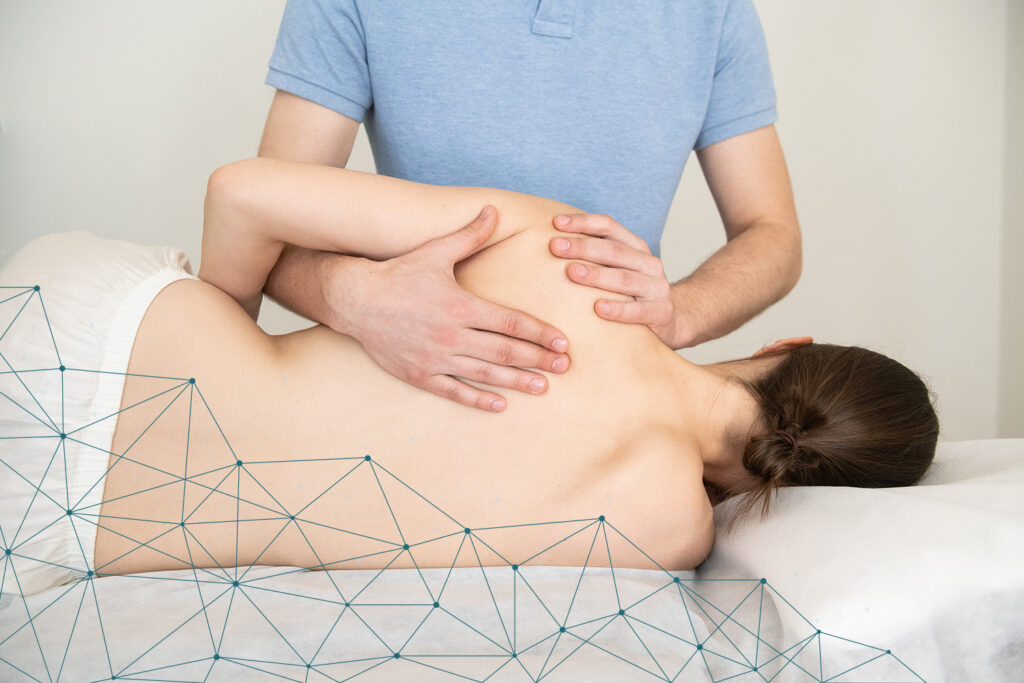
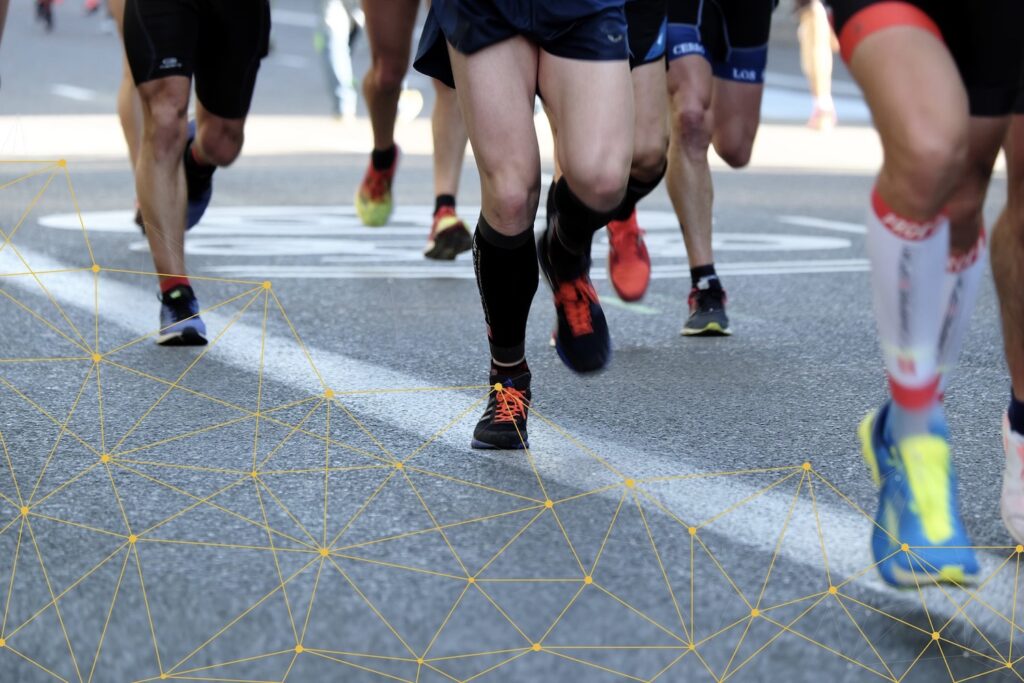
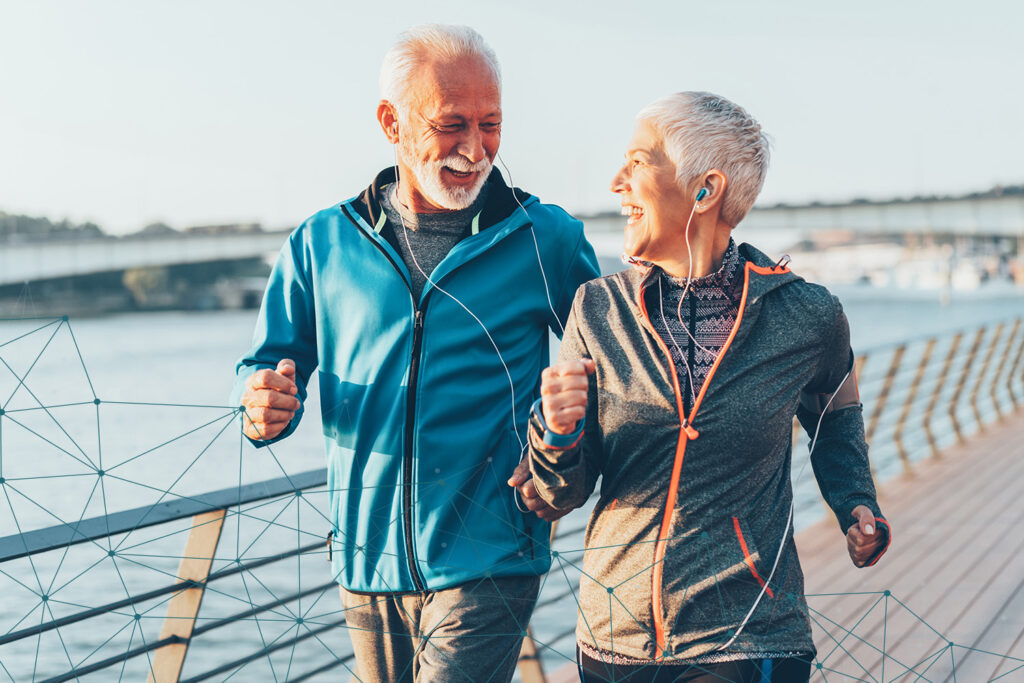
Sports osteopaths are used where there is an increased one-sided load on the athlete in competitive, amateur and hobby sports.
The aim of sports osteopathy is to exclude possible sources of danger or weak points in the body at an early stage and possibly before the injury. This can be dealt with individually and preventively through therapy and training adaptation.
Areas of application of sports osteopathy
- Muscle tension
- Shoulder pain
- Achilllodynia
- Tennis and golf elbow
- Knee complaints
- Back problems
- Hip complaints
- Performance weakness
- Overtraining
Only minor poor posture and imbalances lead to recurring problems in athletes, especially in competitive sports, but also in intensively pursued amateur and hobby sports, sometimes resulting in long breaks from sport.
Sports osteopathy is carried out by trained osteopaths who have undergone further training and specialisation in the field of movement analysis and sport-specific requirements.
Typical sports injuries:
- Muscle strains, muscle fibre tears
- Impingement syndrome of the shoulder
- Rotator cuff injuries
- Tennis Elbow, Epicondylitis Lateralis
- Golfer’s elbow, medial epicondylitis
- Runner’s Knee
- Rupture of the cruciate ligament
- Meniscus injuries
- Shin splint syndrome, shin splints
- External ligament rupture of the upper ankle joint
- Achilles tendinitis, Achillodynia
- Plantar fascitis, heel spur
Possible treatments for sports injuries
- Injury prevention
- Regeneration
- Rehabilitation
- Performance optimisation
- Optimisation of sport-specific biomechanics and the musculoskeletal system
- Pre- & post-operative therapeutic support
- Sports injuries
Haben Sie Fragen zur Osteopathie
und wünschen Sie einen Termin?
Kontaktieren Sie uns per Telefon. Gerne besprechen wir mit Ihnen, wie wir Sie oder Ihr Kind unterstützen können.
Do you have any questions
and would you like an appointment?
Contact us by phone. We would be happy to discuss with you how we can support you or your child.
Osteopathy for Runner’s Knee
Osteopathy for growing pains in children
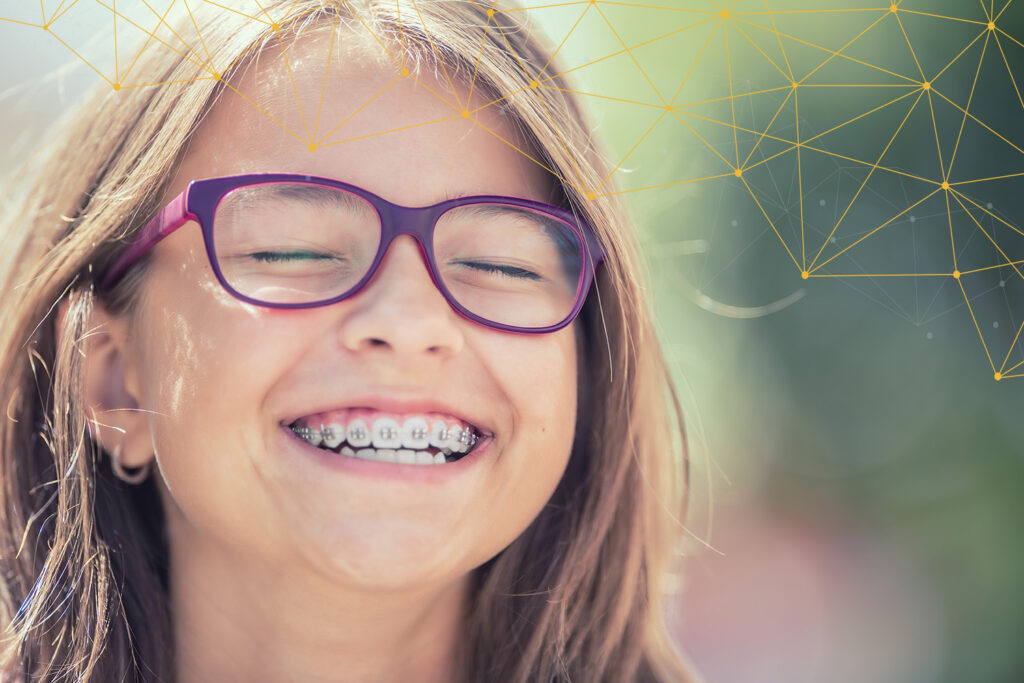
Osteopathy and orthodontics: braces in adolescents
Supplementary insurances cover parts of the costs for osteopathy
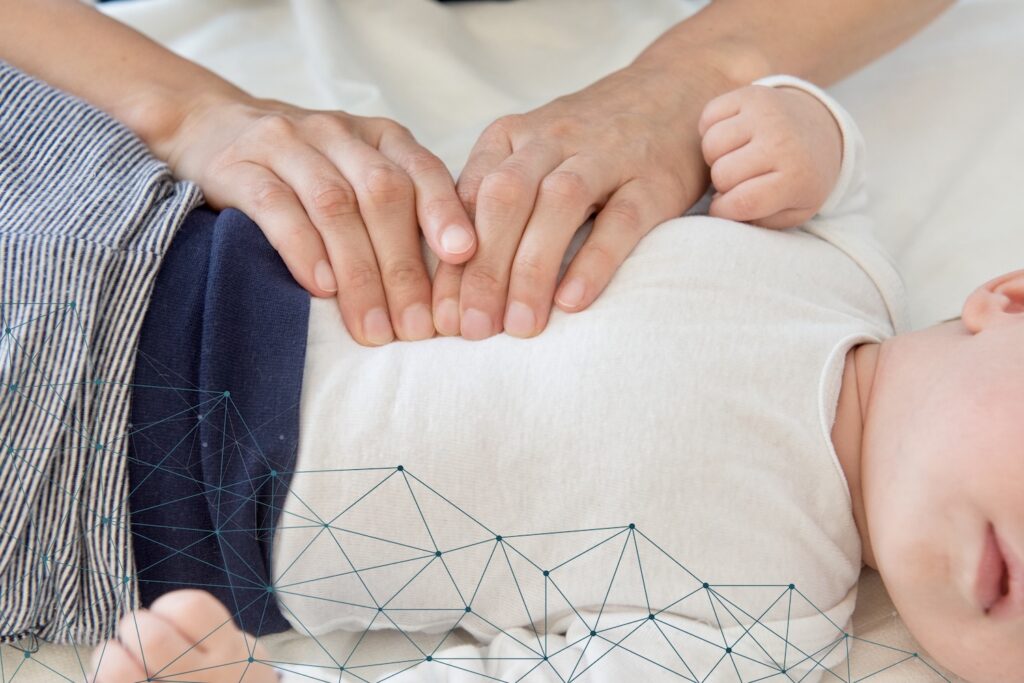
An osteopathic check-up for newborns
Reflexes as a universal language of babies
Proper crawling with babies
Baby: Carrying and being carried
Difficulties with the prone position in the baby
Ergonomic babywearing?
Osteopathy during pregnancy
Osteopathic treatment for lumbago
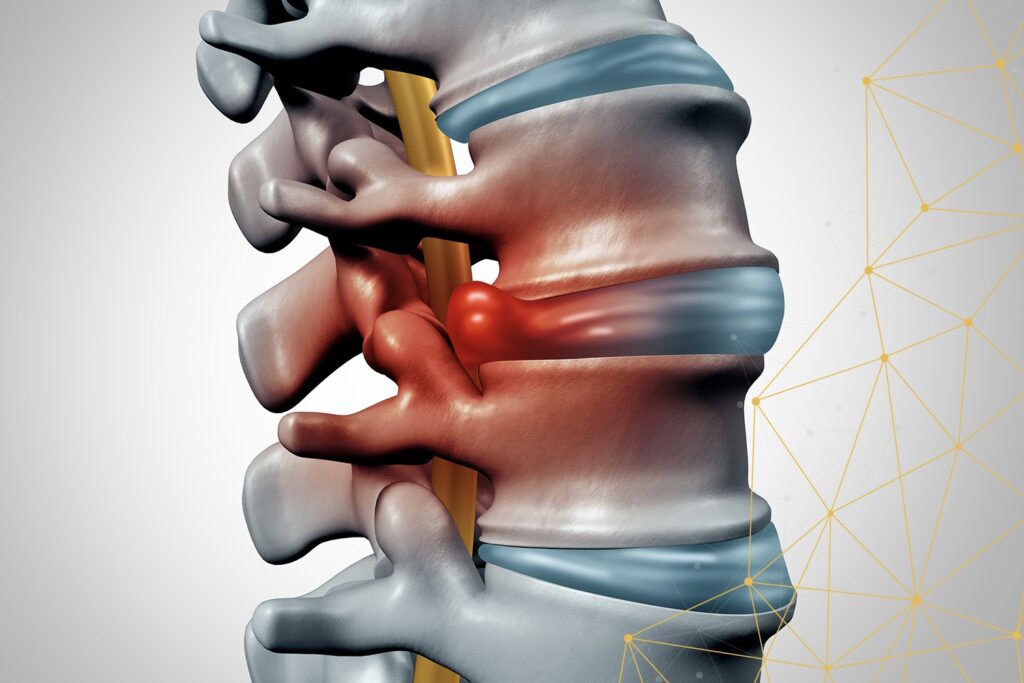
Osteopathic treatment for slipped disc
Ergonomics at the workplace, incl. Recommendations from osteopathy
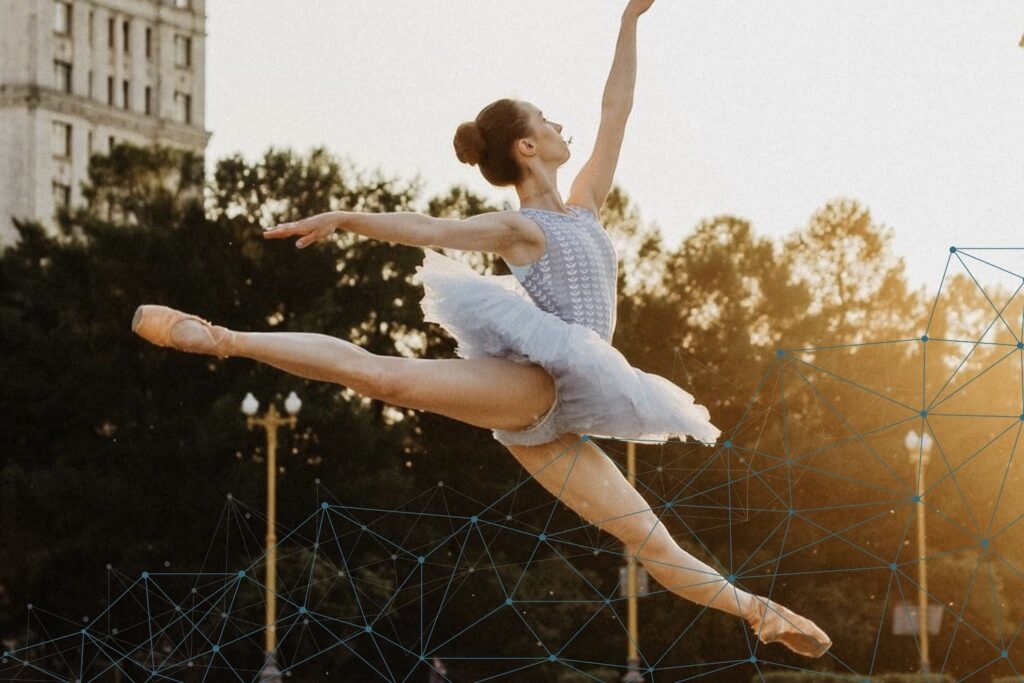
Changing posture – birth to old age
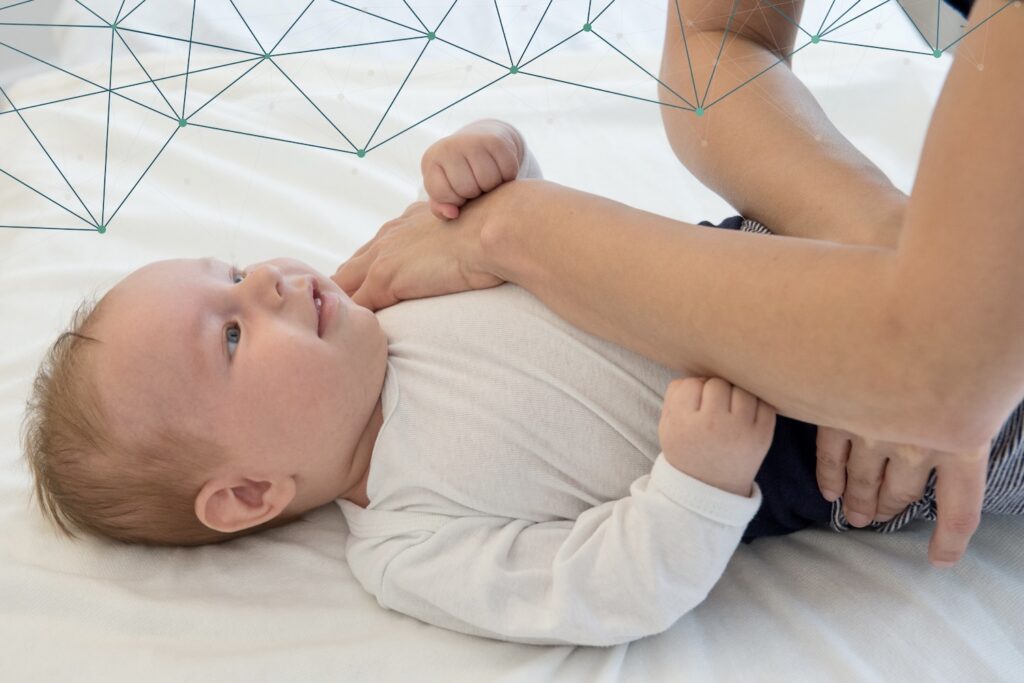
Children and osteopathy
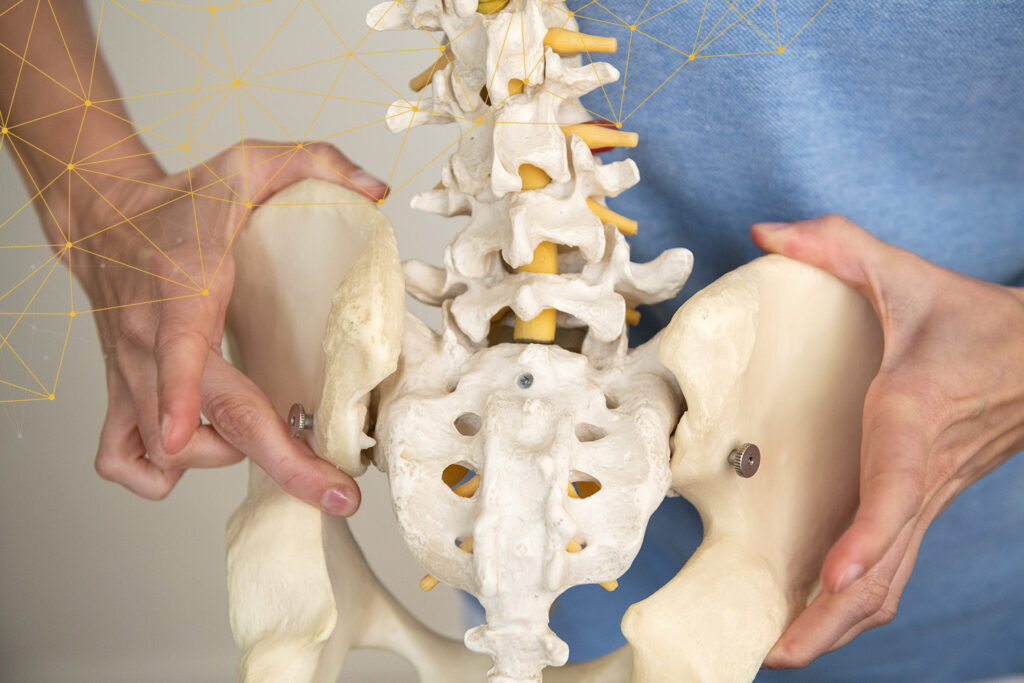
How does an osteopathic treatment proceed?
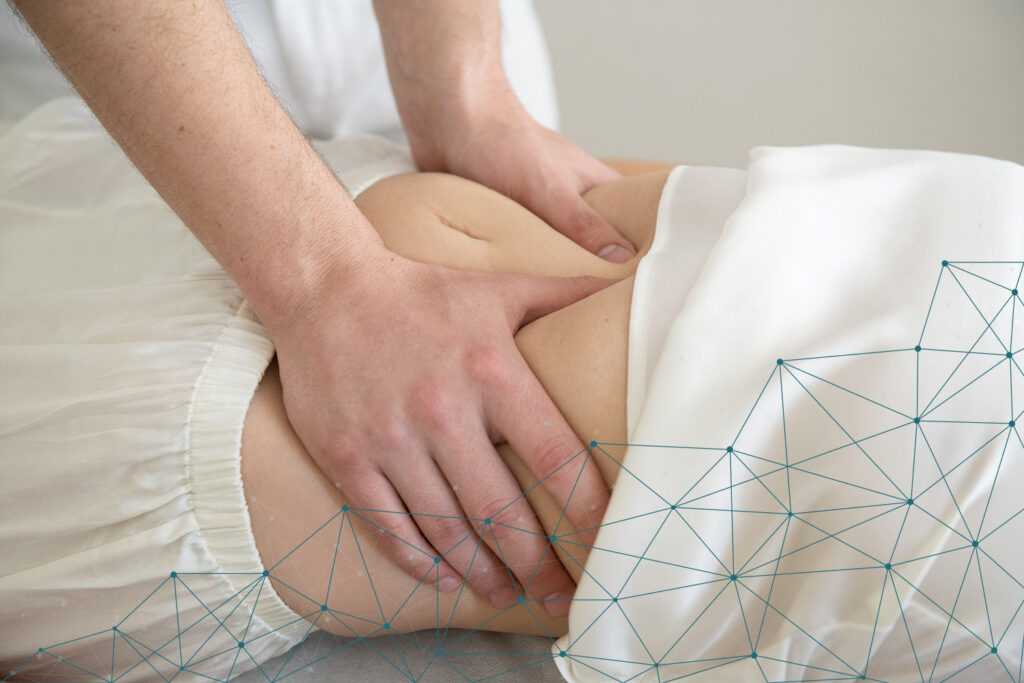
Osteopathy vs. Chiropractic and Physiotherapy
Sports osteopathy: holistic prevention and rehabilitation
Paediatric osteopathy: For babies, children and adolescents
Gynecological osteopathy